
Skip to content

Journal

Editorial notes.

Field notes on regions and methods. Editorial content — no producers or labels are featured.

01 · Editorial

4 min read
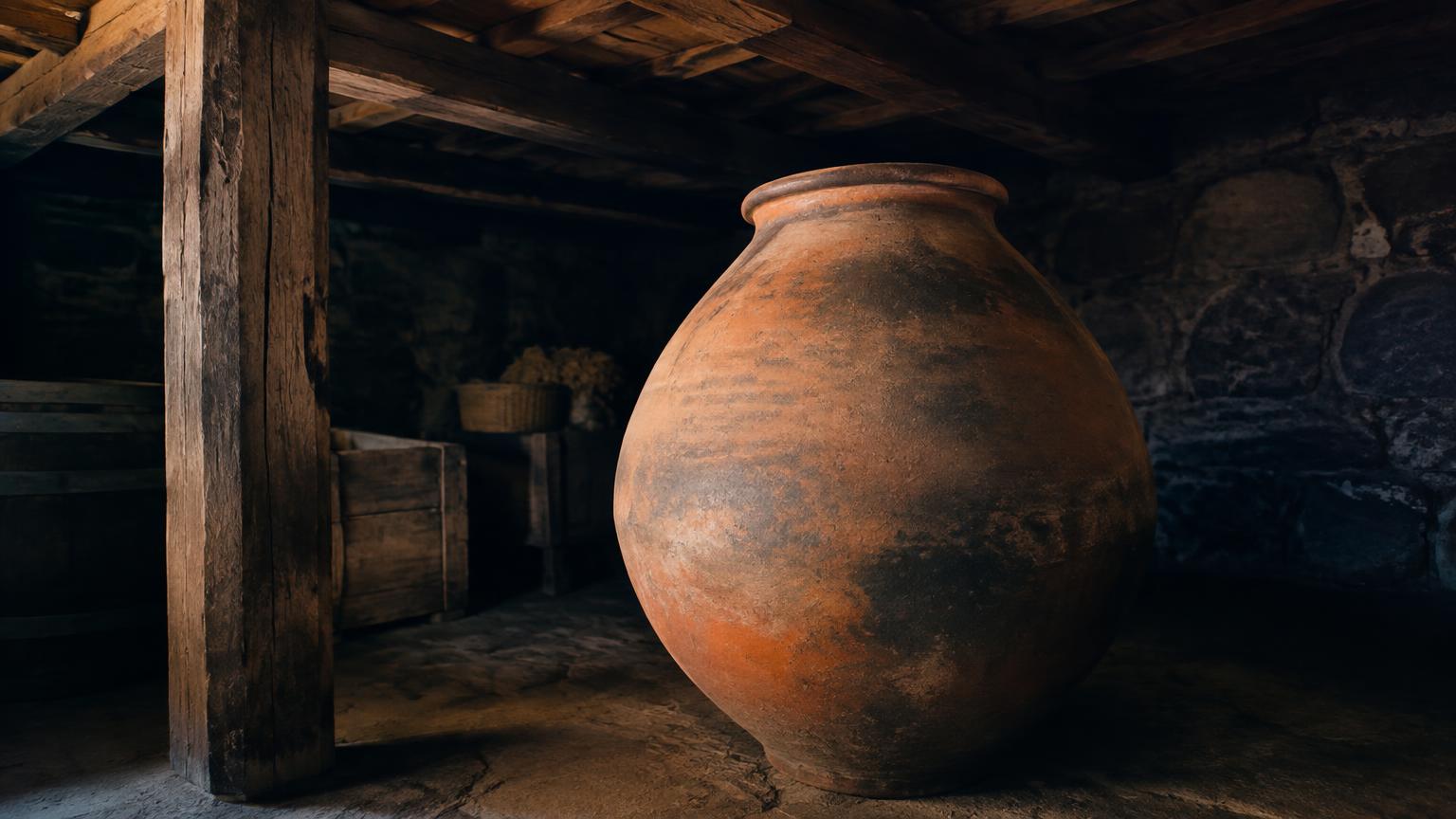
Tinaja: the clay memory of southern Chile

In Itata and Maule, clay vessels have outlived fashions. A note on why the oldest method feels the most current.

Long before stainless steel reached the Andes, wine in southern Chile fermented and rested in tinajas — large clay vessels shaped by hand. Clay breathes more slowly than wood and imparts no flavor of its own. What remains is texture: a quiet grip, a sense of the vineyard left intact. For a house devoted to provenance, the tinaja is less a technique than a promise that nothing stands between the place and the glass.
02 · Editorial

3 min read

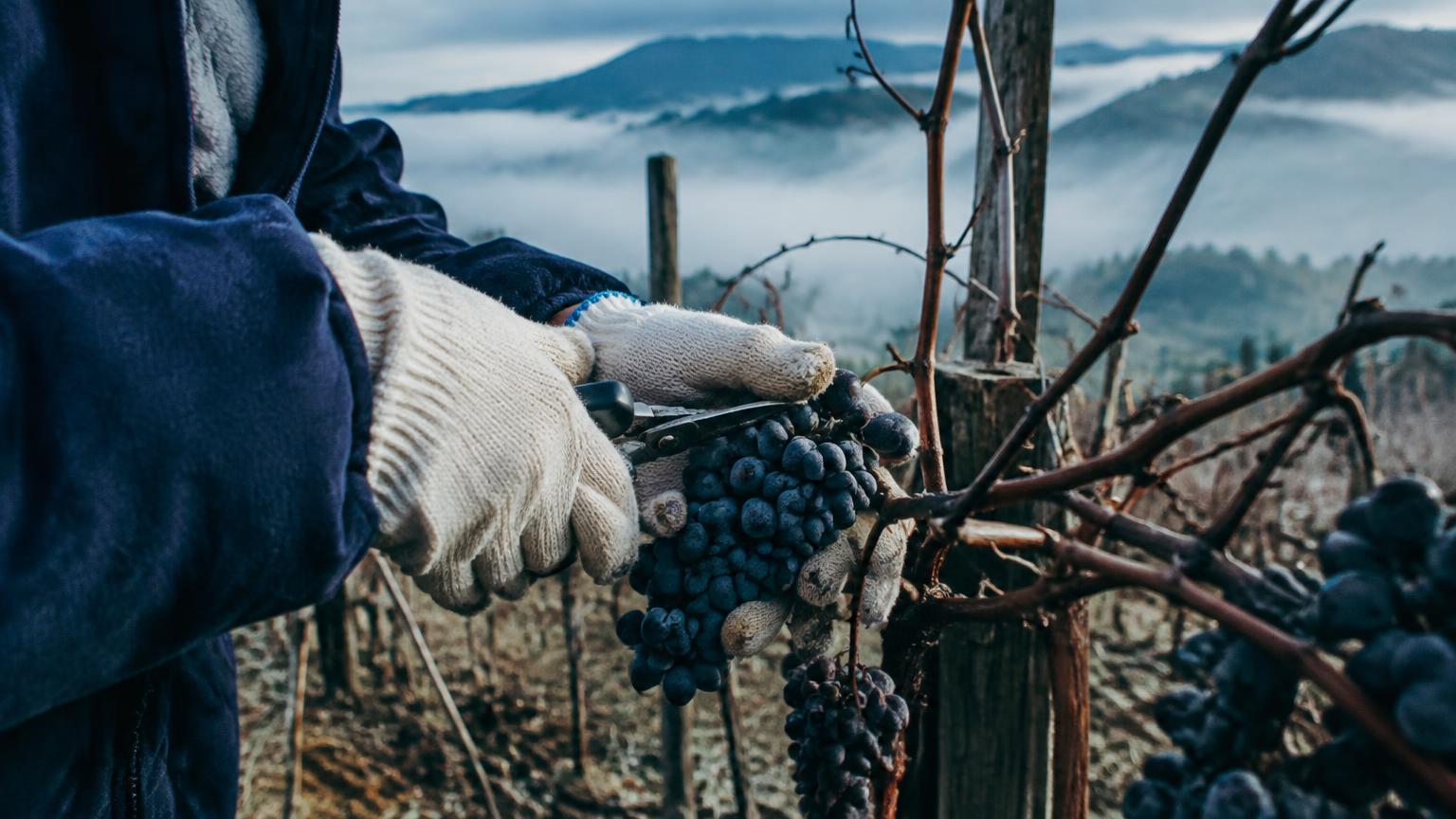
Harvesting in winter: the Mantiqueira inversion

How double pruning moved the grape harvest in Brazil's high Southeast to the dry, cool months.

In the Mantiqueira highlands, summer brings rain. Growers responded by inverting the calendar: a second pruning pushes ripening into the dry winter, when days are bright and nights are cold. The result is concentration without heaviness and a freshness rarely associated with the tropics. It is a reminder that terroir is not only soil and climate, but also the intelligence of the people who read them.

03 · Editorial

4 min read

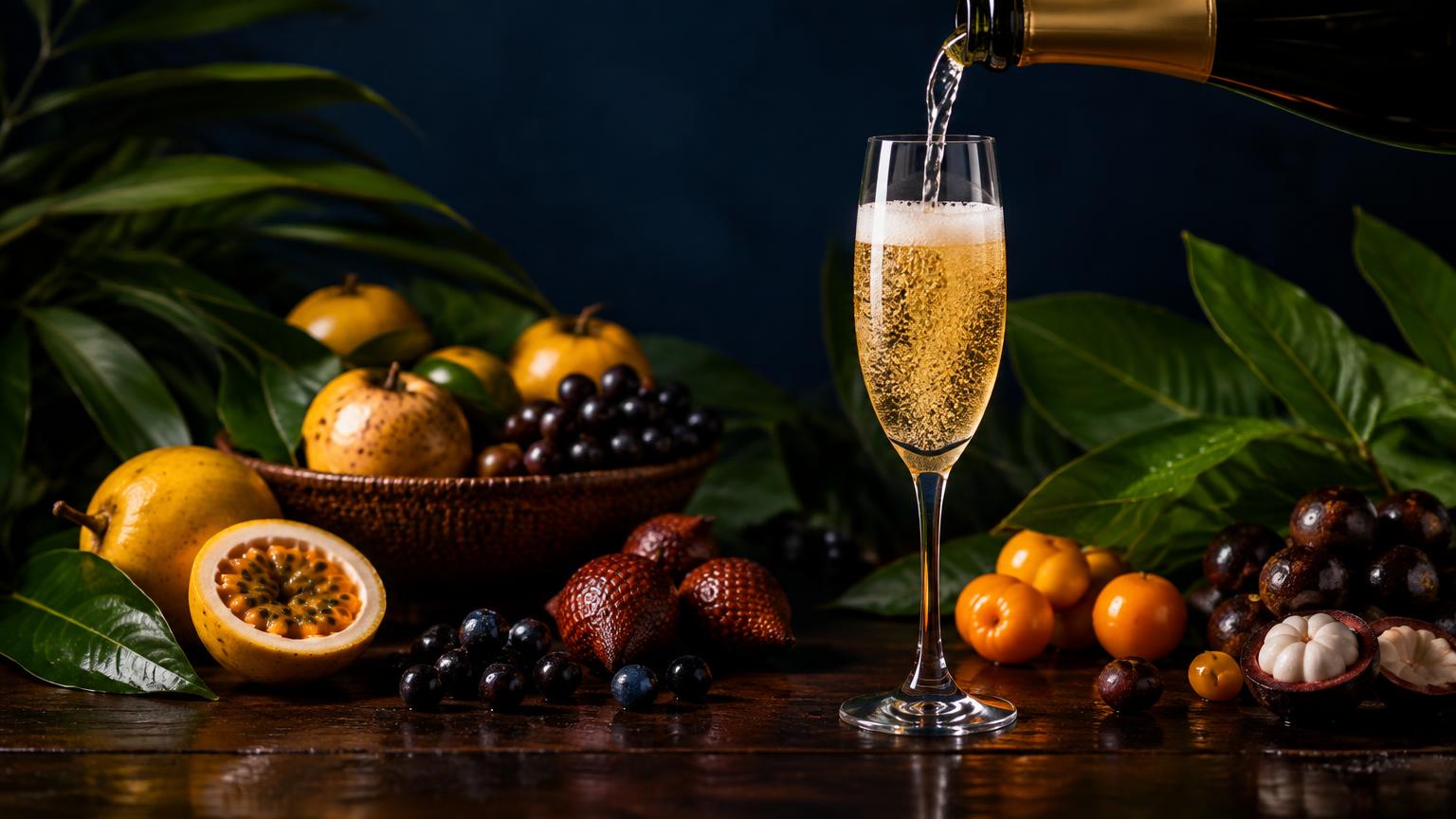
Forest fruit, sparkling method

Cupuaçu and bacuri meet the traditional method. Notes from the Amazon basin.

The Amazon offers fruits with acidity and perfume that no vineyard can match. Fermented with care and finished by the traditional method, they become sparkling expressions of a biome. What interests us is not novelty but continuity: supply chains rooted in agroforestry and extractivist communities, where value can return to the forest.